Natural Flower Embroidery Design
First Impressions: A Delicate Balance of Beauty and Practicality
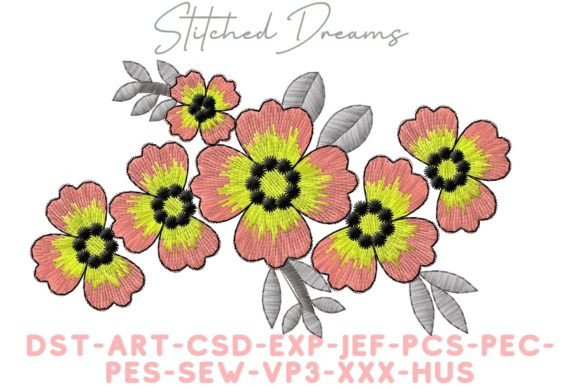
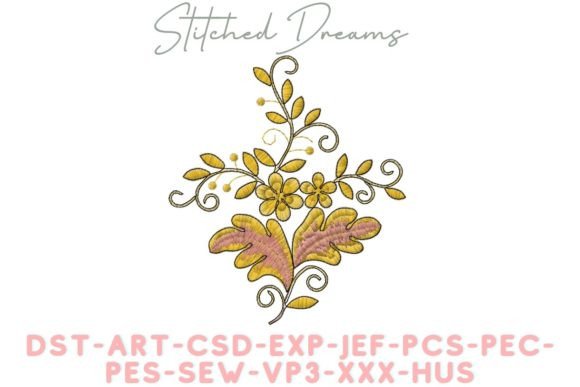
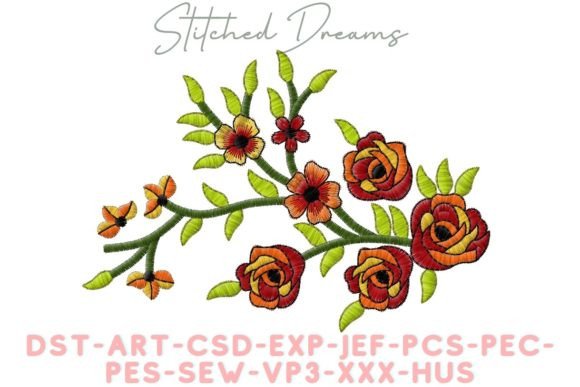
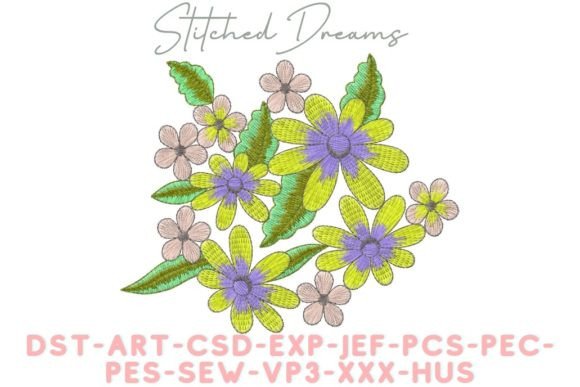
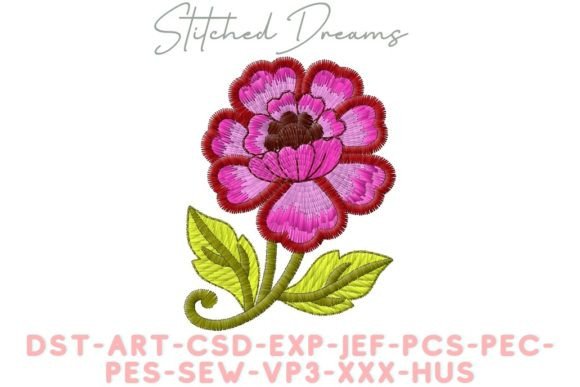
The Natural Flower Embroidery Design immediately catches the eye with its soft, flowing lines and natural aesthetic. The flower and cascading leaves feel organic, almost like they were plucked from a garden and stitched onto fabric. The design has a timeless quality that makes it suitable for a wide range of projects. It’s not overly complex, but it still offers enough detail to stand out as a high-quality machine embroidery design.
The layout is well-structured, making it easy to place on various items without feeling crowded or awkward. The shape suggests a single focal point, which is perfect for custom apparel, baby items, or decorative home goods. It carries a gentle, elegant mood that could fit into a rustic, modern, or minimalist theme depending on how it's styled.
Real-Life Use Cases: Where This Design Shines
Imagine preparing a custom embroidered tote bag for a client who wants something unique yet understated. The Natural Flower Embroidery Design would look great on a cotton canvas tote, adding a touch of nature without overwhelming the design. It also works well on sweatshirts, where the flower can be centered on the chest or sleeve for a subtle yet stylish look.
For baby items, this design is ideal. It could be used on onesies, blankets, or burp cloths, offering a soft, soothing visual that parents would appreciate. The delicate details make it perfect for personalized gifts, especially for weddings, baby showers, or holiday occasions.
As an embroidered patch, the design holds up well. It maintains its clarity even when stitched onto a small hoop, making it a good choice for caps, jackets, or backpacks. On pillow covers or tea towels, it adds a handmade touch that elevates the overall look of the product.
Performance in Different Embroidery Situations
The Natural Flower Embroidery Design performs well on most standard fabrics, including cotton, linen, and light denim. However, it may struggle on very thin or stretchy materials, where the stitch density could cause puckering or distortion. In such cases, using a proper stabilizer is essential to keep the design looking clean and professional.
On dark fabrics, the design might require a contrasting thread color to ensure visibility. For example, using white or light-colored threads on black or navy backgrounds can make the flower pop. On lighter fabrics, the design appears more natural, blending seamlessly into the background.
This design isn’t ideal for small hoop sizes, as some of the finer details might get lost or misaligned. It also requires careful handling on curved surfaces like caps, where the design’s flow could be disrupted if not properly secured during stitching.
Where to Be Cautious: Limitations and Considerations
While the Natural Flower Embroidery Design is versatile, there are certain situations where it may not be the best choice. For instance, if you're working with textured fabrics like fleece or corduroy, the design might not sit flat or could appear uneven. Similarly, on very stretchy materials, the stitches could pull or distort over time.
If you plan to use the design on layered garments or items that will be washed frequently, consider the durability of the stitches. Dense areas of the design might need extra reinforcement to prevent fraying or fading. Tiny lettering or intricate corners could also be problematic if not carefully stitched.
For commercial embroidery projects, it’s important to confirm the licensing terms before selling finished products or digital files. Always test the design on scrap fabric first to ensure it meets your quality standards and looks good in different lighting conditions.
Design Notes for Embroidery Professionals
Before committing to a project, test the Natural Flower Embroidery Design on a sample piece of fabric. This will help you assess how the stitches interact with the material and whether any adjustments are needed. Check the thread colors to ensure they complement the fabric and enhance the overall look.
Review the stitch density to make sure it’s appropriate for the intended use. If the design is too dense, it might cause stiffness or discomfort on clothing. Conversely, if it’s too light, the details could fade or disappear after washing.
Confirm the hoop size required for the design. If it’s larger than your usual setup, you may need to adjust your workflow or split the design into sections. Also, inspect small details like the edges of petals and leaves to ensure they’re crisp and well-defined.
Use printable mockups to visualize how the design will look on different products. Compare it against both light and dark fabric backgrounds to see how it adapts. For handmade products or Etsy listings, the Natural Flower Embroidery Design can add value and appeal, especially when paired with thoughtful branding and presentation.
Final Thoughts: A Versatile and Elegant Choice
The Natural Flower Embroidery Design is a solid choice for designers, crafters, and small business owners looking for a beautiful yet practical embroidery file. Its natural aesthetic makes it suitable for a variety of projects, from custom apparel to personalized gifts. When used correctly, it enhances the visual appeal of any finished product while maintaining a level of professionalism that customers appreciate.
Whether you're creating a handmade product for your boutique or preparing a digital design for sale, the Natural Flower Embroidery Design offers flexibility and style. Just remember to test it thoroughly, consider the fabric and project requirements, and always prioritize quality and clarity in your work.